
Do you have an effective, strategic content marketing plan? Whether you already have a strategic content marketing plan or you’re like, “What’s content mapping”? Or “Is strategic content marketing really that important?”, and the answer is yes, it is crucial. These are successful traffic growth strategies that I have learned over the years of having a website. I’m sharing my best content mapping secrets for you to apply to your strategic content marketing plan.
Strategic content marketing and content mapping secrets to grow your online business
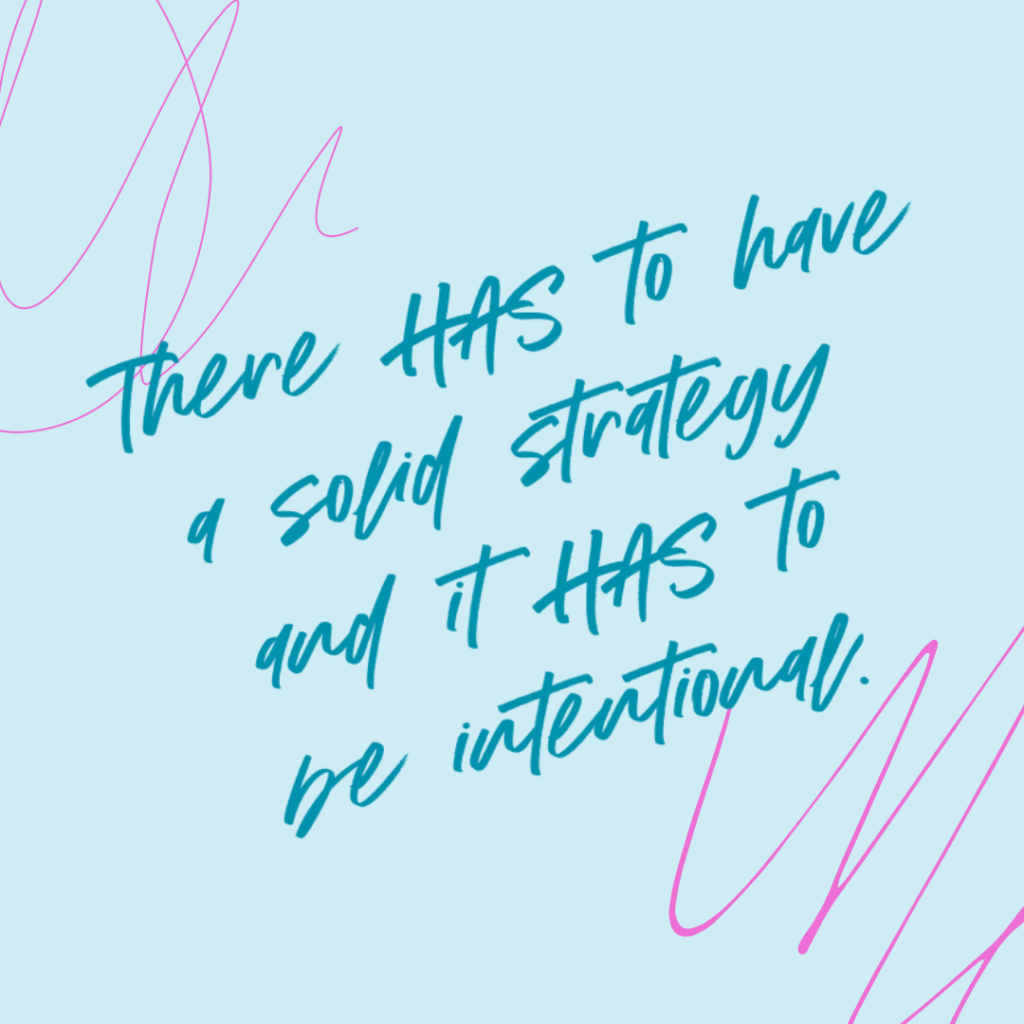
When it comes to creating any kind of strategic content on your website, this just doesn’t strictly pertain to blog post content. This includes every single page you have on your website. There HAS to have a solid strategy and it HAS to be intentional. The title has to be intentional. The content has to be intentional. It has to have your ideal reader in mind.
If your content is all over the place and doesn’t relate to your overall main goal, you will confuse your ideal client about your intention and what exactly it is that you do. You need to have a clear, specific intention that speaks directly to your ideal client.
Here are 4 ways to create the best content mapping for your online business
1. Reassess your topics
Are they relevant to each other? Do you have a main core topic with umbrella topics, specifically, topics that are relevant to your ideal client?
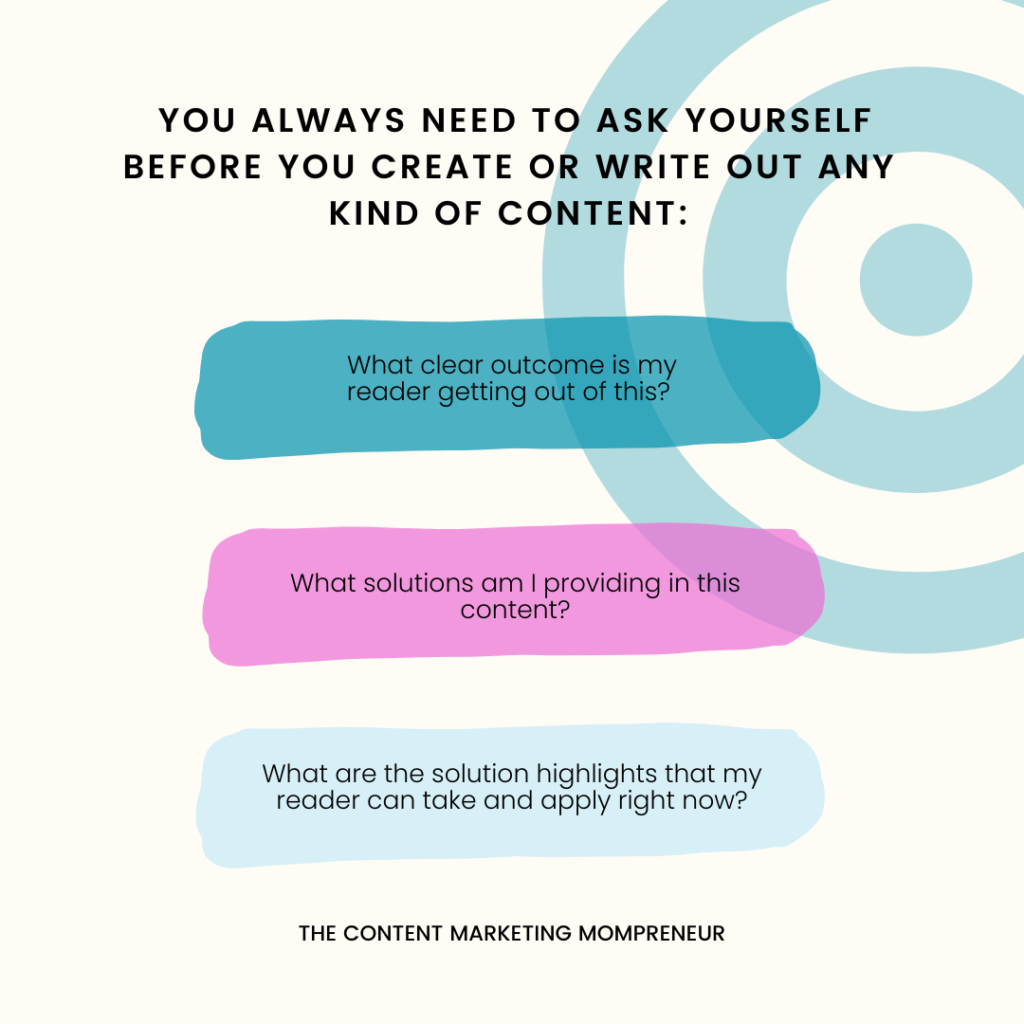
To have an effective strategic content marketing plan, you always need to ask yourself before you create or write out any kind of strategic content:
- Do I have a clear outcome that my reader getting out of this?
- What solutions am I providing in this content?
- What are the solution highlights that my reader can take and apply right now?
2. Is your strategic content marketing plan niche-focused?
Re-evaluate your main core topics and subtopics. You want to stay very niche focused on your topics and keep the subtopics very minimal. Don’t have irrelevant topics. Think of it like a dinner menu. If you go into a restaurant, and the menu is so huge, you instantly start to feel overwhelmed by the choices. You don’t want your reader to feel overwhelmed. You want to make the choices simple and minimal for your reader.
3. Research keywords based on your niche
You can do this in Facebook groups where your people are hanging out at. Just type in a keyphrase or keyword that you think your ideal client might be searching for help on.
Use Google and search. Type in the key phrase. Before you hit enter and pay attention to what is popping up under the search tab. Those are the most relevant searches for that specific keyword. The same applies to using Pinterest.
4. What your ideal client is wondering?
You need to find out the answers to these questions to have a starting point of what keywords to search for best results:
- Do you know what your ideal client is wondering?
- What kind of questions do they have?
- What are they struggling with?
- How is it making them feel?
- What kind of solution do they think they need?
These are all questions you need answers to because it helps you know your ideal client better. It also helps you map out a more intentional strategic content marketing plan that will effectively teach your ideal client something that will be beneficial for them.
For this part, create a Google sheet. You want to expand on phrases and keywords for each topic you have. What related phrases and keywords can you use for content? For example, one of your topics is about time management. You would want to find related keywords for time management.
Maybe during your research, as an example, you found that time management strategies, time management tools, and how to manage time effectively were key phrases your ideal client searched regularly. So you would type those related key phrases under the connecting topic.
Effective and strategic content marketing hacks to apply to trigger your reader
When it comes to writing titles for strategic content marketing, research and pull out some trigger words that make people want to click and read. A few ways to make your titles invoke action are framing your titles as questions. ‘How to’ titles are good too. You also want to use power words, uncommon words, and emotional words that will connect your reader with the content.
Some other ways you can frame your titles and you might want to take some notes on this are:
- [X] Ways to {XYZ}
- {X} Must-have [insert phrase here]
- [X] more ways to [insert key phrase]
- [X] easy steps to [insert key phrase]
- The Best [insert key phrase] to [insert outcome]
- [X] Tips to [insert key phrase]
- Want to [insert key phrase]? Here’s X ways to [insert outcome]

Strategic content marketing wraps up well at the end
The end of the content is like a summary/CTA. What do you want them to do when they are finished reading? Do you want them to go grab a freebie? Do you want them to join your community? Tell them what to do.
What do you think you are going to apply to your strategic content marketing plan? I hope these are tangible strategic content marketing tips you can apply to your content strategy. Go grab my Resource Roadmap PDF to learn more content & copy strategy. Join my group before May 15th to go deep into content strategy and content mapping.
Hey there skimmer
Wanna listen instead of read? Listen to episode 12 // Want to Reach More People With Strategic Content Marketing? Use My Content Mapping Secrets to Grow Your Audience Organically!
CHECK OUT RELATED POSTS
2 Business Assets to Focus on Starting an Online Business
Captivate Your Ideal Clients With Powerful Website Copywriting
How to Validate an Online Business Idea as a Solopreneur!
How to Crush Content Creation With Targeted Keywords & SEO
Market Research Tips: Getting to Know Your Perfect Ideal Client
FIND THE PODCAST: